Athens Then vs Now
1920 → 2026
AI Generated
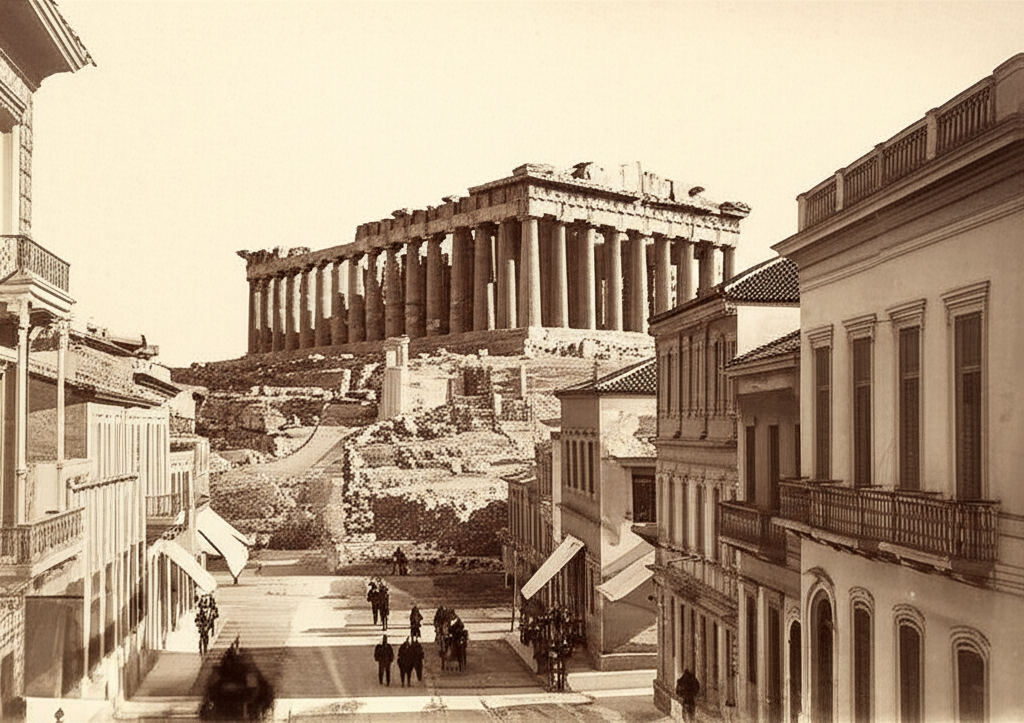
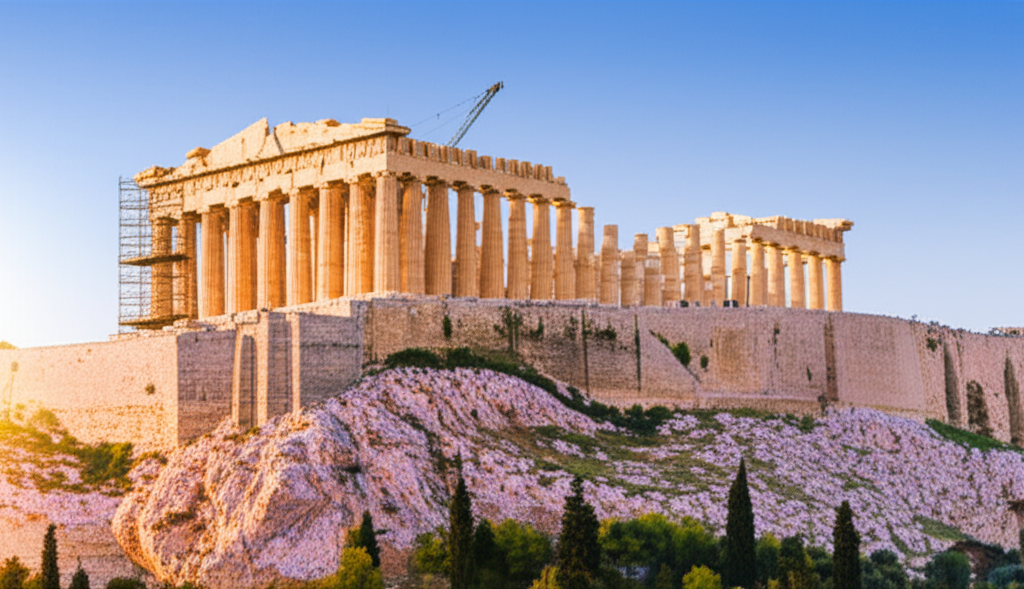
Historical Year
1920
Current Year
2026
Old Image Source
Ai_generated
Views
284
Journey through time and discover the remarkable transformation of Athens. From humble beginnings from 1920, this city has grown into one of the most fascinating destinations to explore. Our historical photo comparisons reveal the dramatic changes in architecture, infrastructure, and daily life that have shaped Athens into what it is today. Each image pair tells a story of progress, preservation, and the relentless march of time.
The Parthenon in Athens, a breathtaking temple dedicated to the goddess Athena, stands as a powerful symbol of ancient Greek democracy and architectural prowess. Built in the 5th century BC, it represents the pinnacle of Doric order and served as a treasury and a testament to Athenian power after their victory over the Persians. Its historical significance is immeasurable, influencing art, architecture, and political thought for millennia. To gaze upon its ruins is to connect with the very foundations of Western civilization.
But the Parthenon we see today is vastly different from its original glory. Over centuries, it transitioned from a temple to a church, then a mosque, suffering damage from earthquakes, fires, and even being used as a gunpowder storage facility during a siege in 1687, resulting in a devastating explosion. Much of its sculptural decoration was infamously removed in the early 19th century and is now housed in the British Museum. A lesser-known fact? The Parthenon was originally brightly painted, adorned with vibrant colors that would have been quite a sight compared to the stark white marble we associate with it now.
History of Athens
The history of Athens spans centuries of cultural evolution, political change, and social transformation. from 1920, the cityscape looked remarkably different from what we see today. Streets that now buzz with modern traffic were once quiet thoroughfares traversed by horses and carts. Buildings that have since been replaced by modern structures once defined the skyline.
Through periods of colonial rule, independence movements, and rapid industrialization, Athens has continuously reinvented itself while preserving its cultural essence. The architectural heritage visible in older photographs reflects the various influences that have shaped this city – from traditional styles to colonial-era structures to contemporary designs.
Today, Athens represents a unique blend of old and new, where historical monuments stand alongside modern developments, and ancient traditions coexist with contemporary lifestyles. This dynamic interplay between past and present makes Athens a fascinating subject for historical comparison.