Colosseum Rome Then vs Now
1920 → 2026
AI Generated
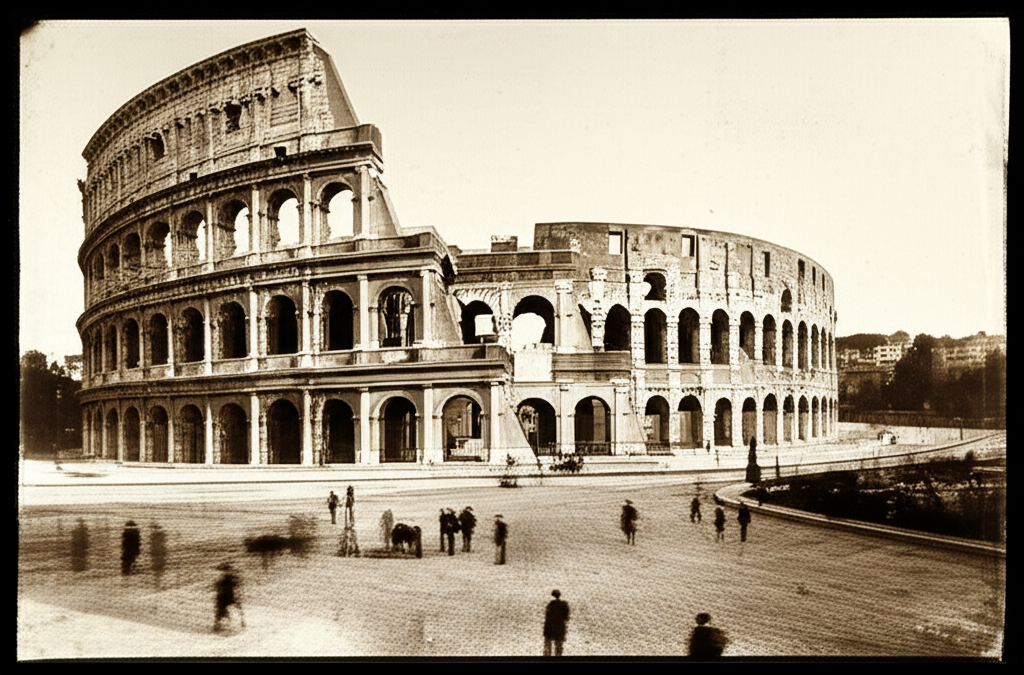
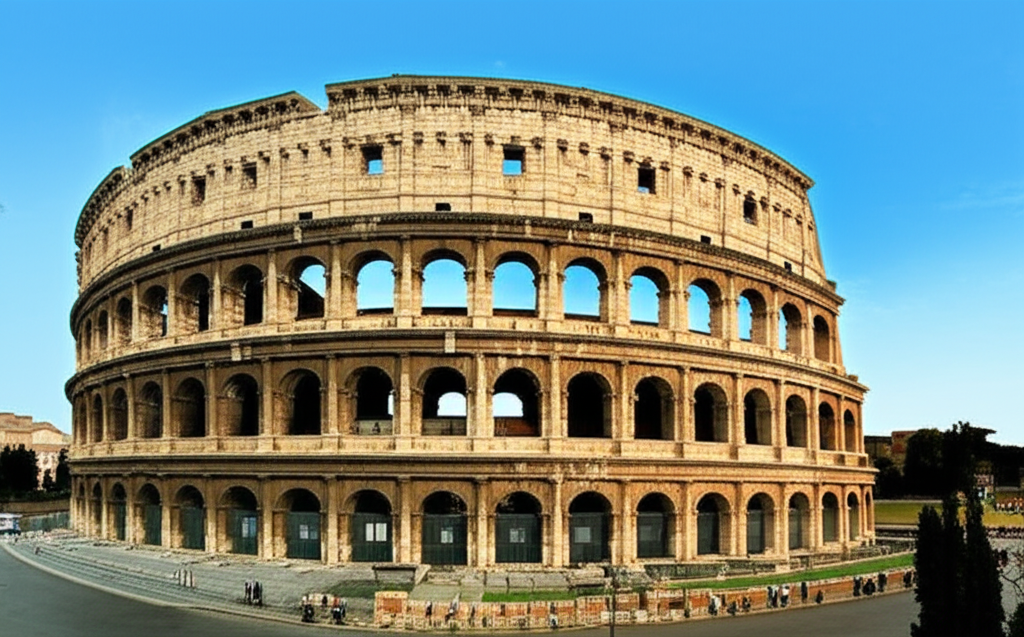
Historical Year
1920
Current Year
2026
Old Image Source
Ai_generated
Views
1,106
Journey through time and discover the remarkable transformation of Colosseum Rome. From humble beginnings from 1920, this city has grown into one of the most fascinating destinations to explore. Our historical photo comparisons reveal the dramatic changes in architecture, infrastructure, and daily life that have shaped Colosseum Rome into what it is today. Each image pair tells a story of progress, preservation, and the relentless march of time.
The Colosseum, Rome's iconic amphitheater, stands as a powerful testament to the grandeur and brutality of the Roman Empire. More than just a pretty face, it was the stage for gladiatorial contests, public executions, and even mock sea battles, entertaining tens of thousands of spectators. Its historical significance lies in its representation of Roman power, engineering prowess, and the societal values (or lack thereof) of the time. The Colosseum offers a chilling glimpse into the entertainment and political control mechanisms of a civilization that shaped Western history.
Over centuries, the Colosseum has endured earthquakes, fires, and the relentless hand of time, losing much of its original marble facade and internal structures. What was once a gleaming spectacle became a source of building materials for later Roman structures, contributing to its partially ruined state. However, its skeletal remains still evoke a sense of awe. Many visitors are unaware that the arena floor was originally covered in sand (arena being Latin for sand), or that elaborate underground tunnels and chambers housed gladiators, animals, and stage machinery, adding another layer to its captivating history.
History of Colosseum Rome
The history of Colosseum Rome spans centuries of cultural evolution, political change, and social transformation. from 1920, the cityscape looked remarkably different from what we see today. Streets that now buzz with modern traffic were once quiet thoroughfares traversed by horses and carts. Buildings that have since been replaced by modern structures once defined the skyline.
Through periods of colonial rule, independence movements, and rapid industrialization, Colosseum Rome has continuously reinvented itself while preserving its cultural essence. The architectural heritage visible in older photographs reflects the various influences that have shaped this city – from traditional styles to colonial-era structures to contemporary designs.
Today, Colosseum Rome represents a unique blend of old and new, where historical monuments stand alongside modern developments, and ancient traditions coexist with contemporary lifestyles. This dynamic interplay between past and present makes Colosseum Rome a fascinating subject for historical comparison.
Explore More Historical Comparisons