Athens Then vs Now
1920 → 2026
AI Generated
Historical Year
1920
Current Year
2026
Old Image Source
Ai_generated
Views
303
Athens stands as a testament to the passage of time, where ancient heritage meets modern innovation. This remarkable city has witnessed countless transformations from 1920 to the present day, evolving from its historical roots into a vibrant metropolitan center. Through our curated collection of then and now photographs, you can explore how Athens has changed while preserving its unique character and cultural identity.
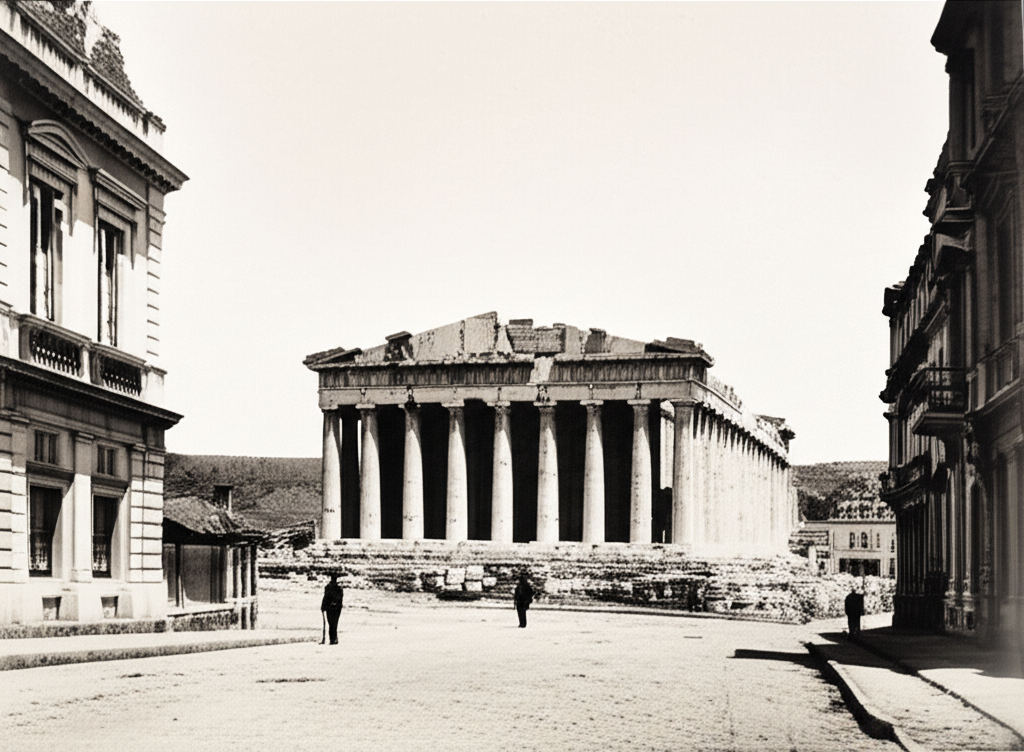
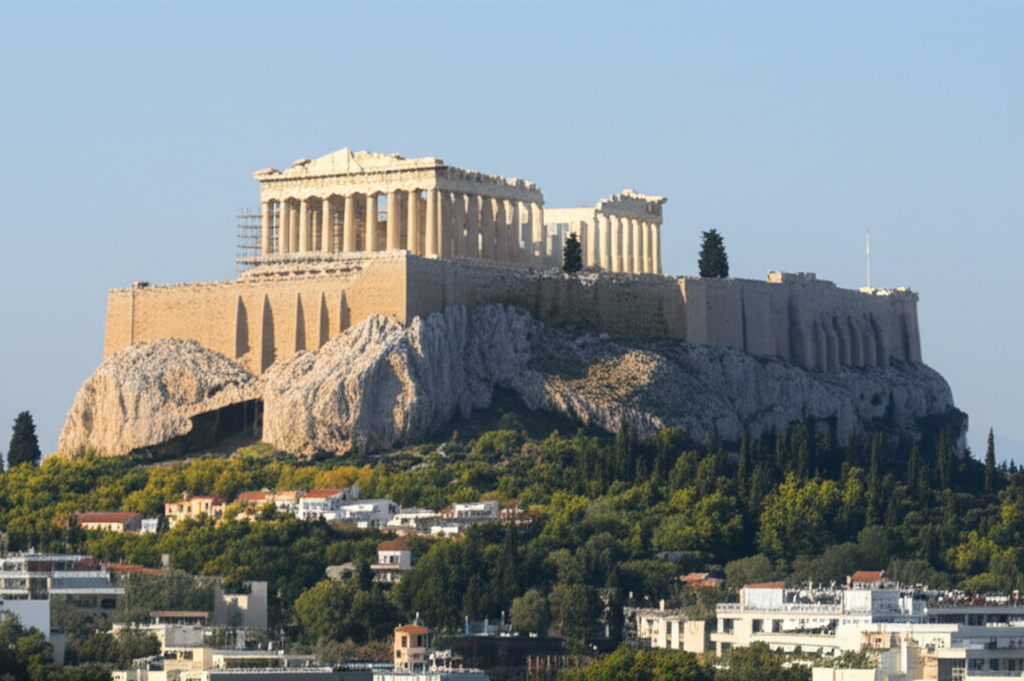
The Parthenon in Athens, a breathtaking temple dedicated to the goddess Athena, stands as a powerful symbol of ancient Greece and the birth of democracy. Built in the 5th century BC, it represents the pinnacle of Doric architecture and Athenian power. Its historical significance extends beyond mere aesthetics; it embodies the ideals of reason, harmony, and civic pride that shaped Western civilization. Imagine the vibrant city life that once bustled around this sacred space, a center for religious ceremonies and artistic expression.
Over the centuries, the Parthenon has endured dramatic transformations. From a temple, it morphed into a Christian church, then an Ottoman mosque, each conversion leaving its mark on the structure. A devastating explosion in 1687, during a Venetian siege, severely damaged the building, scattering its sculptures. What many visitors don't realize is that the iconic white marble we see today wasn't always its color. Originally, the Parthenon was brightly painted with vibrant hues, a far cry from the pristine aesthetic we often associate with classical architecture. These colorful details, lost to time and weather, offer a tantalizing glimpse into the original, more vibrant vision of its creators.
History of Athens
The history of Athens spans centuries of cultural evolution, political change, and social transformation. from 1920, the cityscape looked remarkably different from what we see today. Streets that now buzz with modern traffic were once quiet thoroughfares traversed by horses and carts. Buildings that have since been replaced by modern structures once defined the skyline.
Through periods of colonial rule, independence movements, and rapid industrialization, Athens has continuously reinvented itself while preserving its cultural essence. The architectural heritage visible in older photographs reflects the various influences that have shaped this city – from traditional styles to colonial-era structures to contemporary designs.
Today, Athens represents a unique blend of old and new, where historical monuments stand alongside modern developments, and ancient traditions coexist with contemporary lifestyles. This dynamic interplay between past and present makes Athens a fascinating subject for historical comparison.