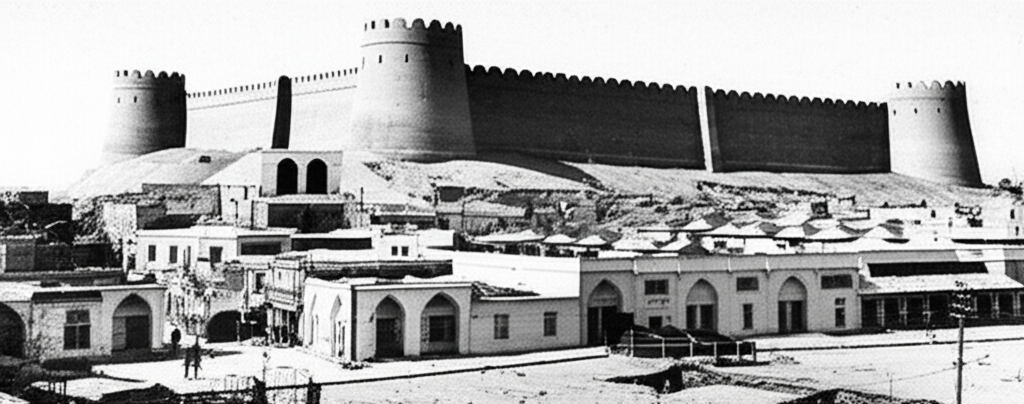
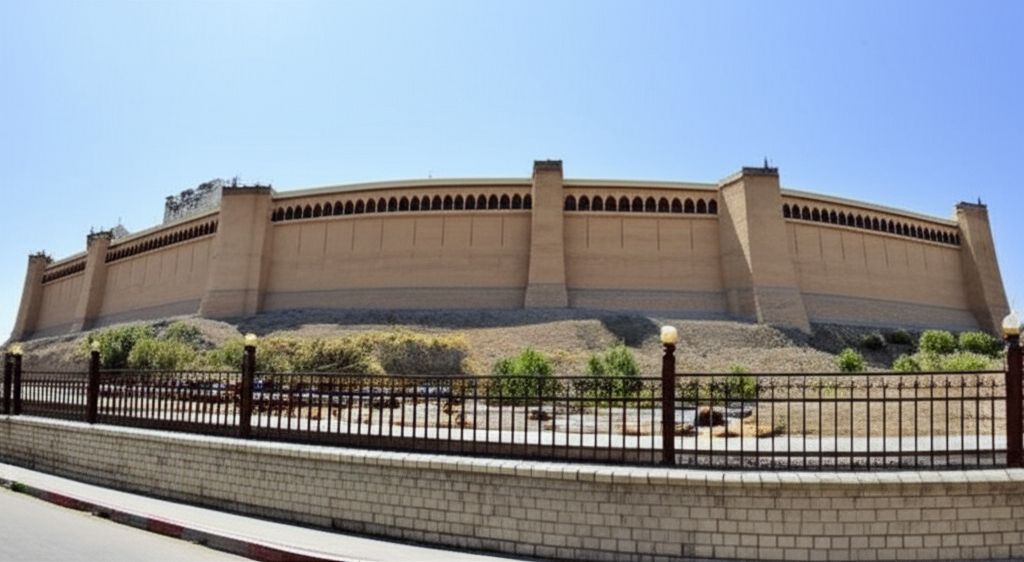
Kabul Then vs Now
1920 → 2026
AI Generated
Historical Year
1920
Current Year
2026
Old Image Source
Ai_generated
Views
461
Welcome to an extraordinary visual journey through Kabul's history. Our then vs now photo collection captures the essence of urban transformation from 1920 to modern times. Watch as narrow lanes became wide boulevards, colonial structures gave way to towering skyscrapers, and traditional markets evolved into bustling commercial centers. Kabul's story is one of remarkable resilience, adaptation, and continuous renewal.
Kabul, Afghanistan, a city etched into the annals of history, stands as a testament to resilience and cultural crossroads. For centuries, it has been a vital trading post along the Silk Road, attracting diverse influences from Persia, Central Asia, and India. Its strategic location made it a prize fought over by empires, from the Mughals to the British, leaving behind a rich tapestry of architectural and artistic heritage. Witnessing the rise and fall of dynasties, Kabul's story is inextricably linked to the broader narrative of Central Asia's turbulent past.
The Kabul we see in historical photographs, compared to today, reveals a stark contrast. Once renowned for its serene gardens and vibrant bazaars, the city has endured decades of conflict, leaving scars on its physical landscape and collective memory. Yet, glimpses of its former glory can still be found in the remnants of ancient forts and traditional neighborhoods. Did you know, for instance, that Kabul was once known as "the city of a thousand gardens"? Or that the Babur Gardens, a UNESCO World Heritage site, are believed to be the final resting place of the Mughal emperor Babur himself? These untold stories whisper through the historical images, inviting us to delve deeper into the captivating history of this resilient city.
History of Kabul
The history of Kabul spans centuries of cultural evolution, political change, and social transformation. from 1920, the cityscape looked remarkably different from what we see today. Streets that now buzz with modern traffic were once quiet thoroughfares traversed by horses and carts. Buildings that have since been replaced by modern structures once defined the skyline.
Through periods of colonial rule, independence movements, and rapid industrialization, Kabul has continuously reinvented itself while preserving its cultural essence. The architectural heritage visible in older photographs reflects the various influences that have shaped this city – from traditional styles to colonial-era structures to contemporary designs.
Today, Kabul represents a unique blend of old and new, where historical monuments stand alongside modern developments, and ancient traditions coexist with contemporary lifestyles. This dynamic interplay between past and present makes Kabul a fascinating subject for historical comparison.