Twin Towers History
1920 → 2026
AI Generated
Historical Year
1920
Current Year
2026
Old Image Source
Ai_generated
Views
210
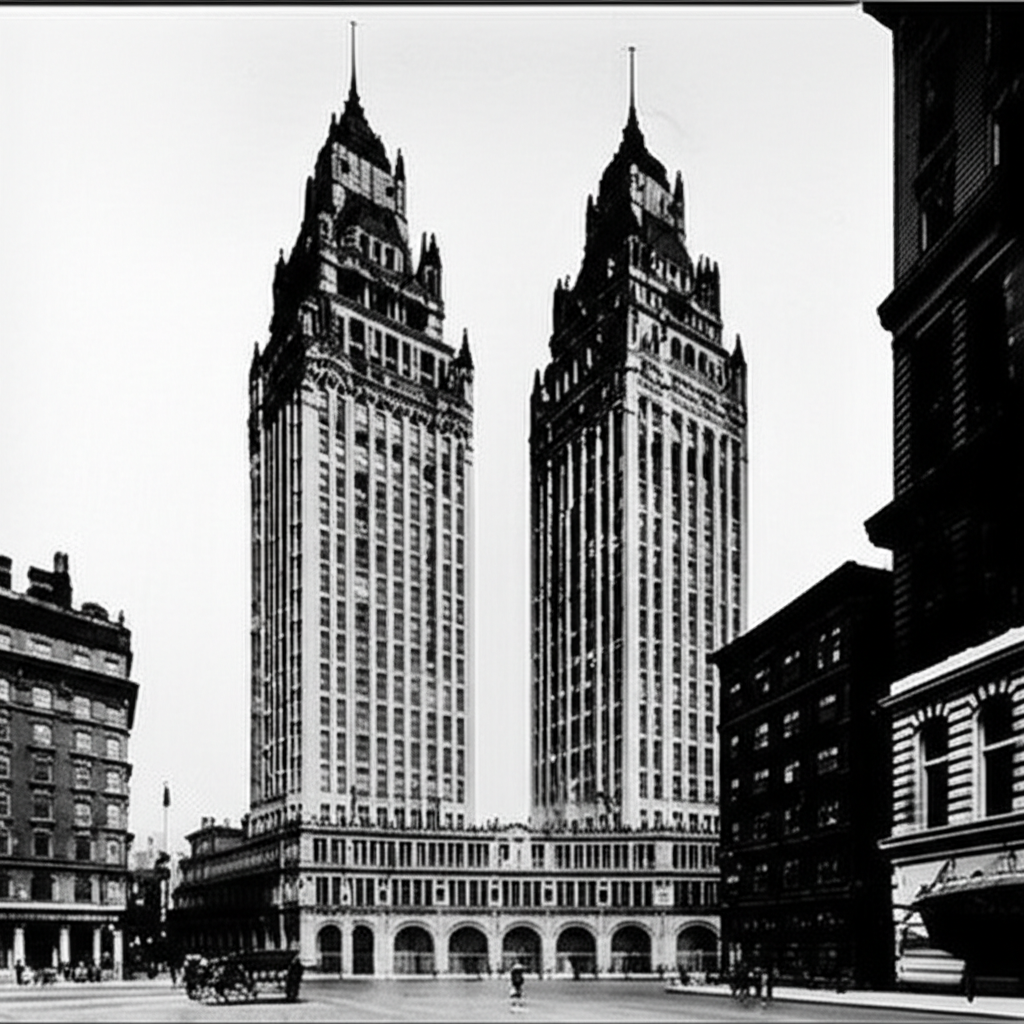
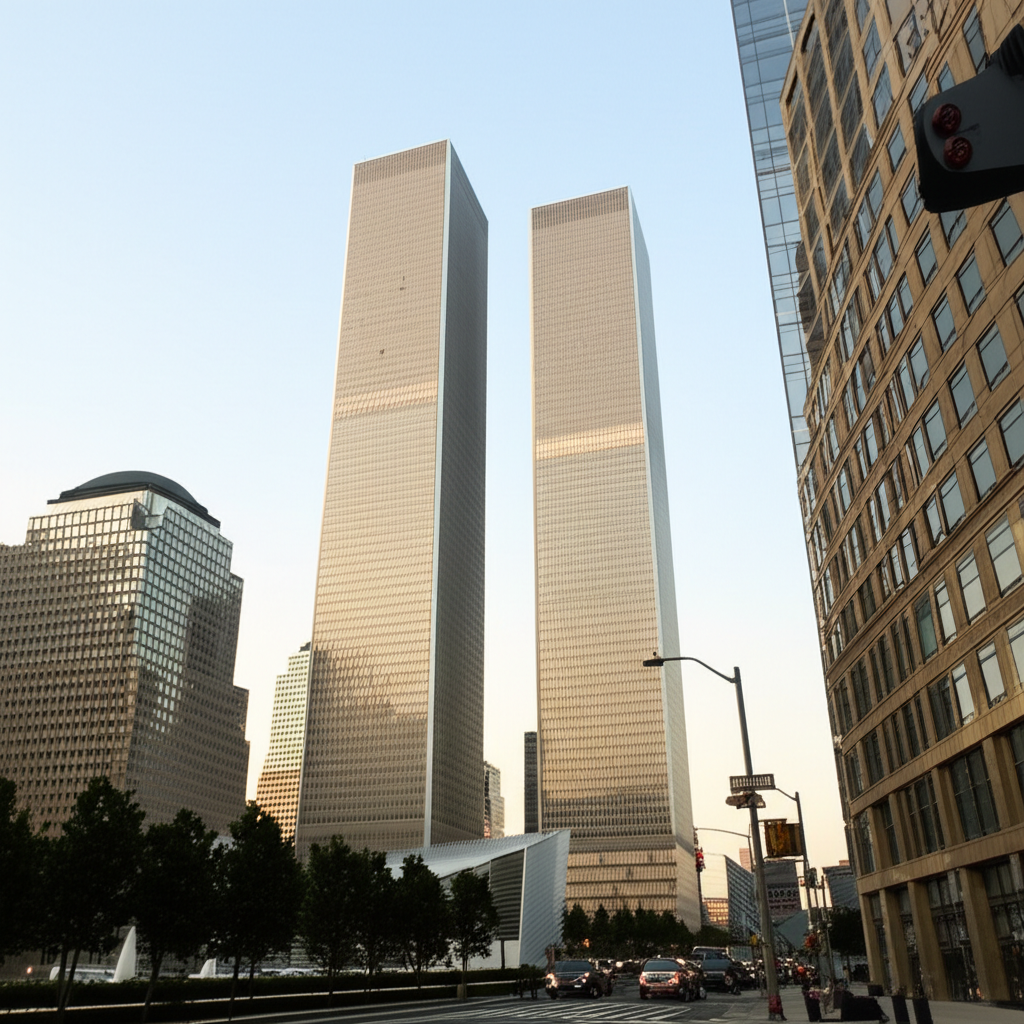
Discover the rich heritage of Twin Towers through our exclusive then vs now photo collection. This iconic location has undergone remarkable transformations from decades ago, yet continues to captivate visitors with its timeless appeal. Our images capture the delicate balance between honoring the past and embracing the future that makes Twin Towers such a compelling destination.
The Twin Towers, once defining the New York City skyline, held immense historical significance as symbols of American economic power and architectural innovation. Officially known as the World Trade Center, their sheer scale represented a bold vision for global commerce in the late 20th century. They quickly became a cultural icon, featured in countless films and photographs, embodying the ambition and dynamism of the city. The towers stood as a testament to human engineering, a place of work, and a meeting point for cultures from around the world.
Of course, the towers' history is tragically defined by the events of September 11, 2001, a day that irrevocably changed the American landscape, both physically and emotionally. The destruction of the Twin Towers marked a profound turning point in history, ushering in a new era of national security concerns and global awareness. Today, the site is home to the One World Trade Center, a solemn memorial, and a museum, all serving as a place of remembrance and reflection. An interesting fact many might not know is that during construction, the slurry wall surrounding the site was the largest of its kind ever built, essential for keeping the Hudson River at bay.
History of Twin Towers
The story of Twin Towers is deeply intertwined with the history of its surroundings. from decades ago, this location served as a significant landmark for the local community, bearing witness to important events and daily life.
Over the decades, Twin Towers has experienced various phases of change – from initial construction to subsequent modifications, renovations, and sometimes complete transformations. Each period left its mark, contributing to the rich tapestry of history that we can observe today.
The photographs in our collection capture these evolutionary stages, allowing visitors to appreciate how Twin Towers has been shaped by time, weather, human intervention, and changing societal needs. Whether through careful preservation efforts or adaptive reuse, this location continues to serve as a bridge between our historical past and contemporary present.